How Common Is Persisting Pain After Knee Replacement And Why Is It Important ?
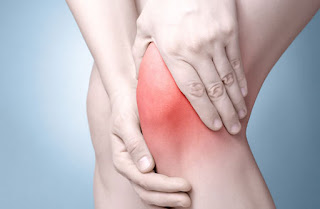
Pain is the most important indication for joint replacement surgery and although surgery is successful in a vast majority of patients, some continue to have persisting pain. As per research evidence, approximately 9% after hip and 20% after knee replacement have an unfavourable pain outcome. 20% implies 1 in 5 patients, a significant number. Despite the high prevalence, the condition remains under acknowledged and can be rightly addressed as a silent epidemic.
Persistent pain not only has an adverse impact on the quality of life but often leaves patients confused or blaming themselves for the pain or the decision to go ahead with surgery. It can have an impact on mobility, general health, mood, sleep and lead to functional limitation with social isolation. When no obvious cause is found, the problem may be downplayed leading to the dissatisfaction, frustration, anger, tension or breakdown of the doctor–patient relationship, promoting doctor shopping. Somewhat ironically, persisting pain can sometimes be a consequence of surgery that was performed to alleviate pain.
Risk Factors for Persisting Pain after Knee Replacement
Persisting pain may have more than one reason, with a wide range of factors influencing the outcomes. It is important to know about these as some of them are modifiable.

Some of the known risk factors include
- Poor mental Health including major depression, anxiety
- Catastrophization (Constant worrying and exaggerated negative orientation towards pain experience)
- Presence of other chronic pain conditions
- Surgical factors include infection, instability, implant loosening or failure, alignment problems with the implant (misalignment), soft-tissue impingement, nerve injury and extensor mechanism problems (patellar malt racking and non-resurfaced patella)
- Severe preoperative pain. Some studies have linked poorly controlled pain after the operation to increased chance of developing chronic pain whereas other studies have found insufficient evidence.
- High number of comorbidities (other medical problems). Pre-existing heart disease has been found to be an independent risk factor for pain at 5 years after knee replacement. The peripheral edema (swelling), sedentary lifestyle/ reduced engagement with physical therapy may contribute to increased pain levels.
- Young age and female gender
Pain Assessment
Most patients with persisting pain after the replacement surgery would return to the operating surgeon for a reassessment. Sometimes a second opinion from another surgeon is sought. Careful assessment in required to identify the problem and this involves detailed history, clinical examination (including the spine, hip and knee), psychological exploration, review of preoperative images & operative records, new investigations (serological, radiological and microbiological), assessing response to treatments and joint aspiration/ diagnostic injections if indicated. Sometimes despite extensive evaluation and best attempts using all modern technology at our disposal, the cause of pain cannot be identified. In such cases a trial of conservative therapy including pain relieving medications and physical therapy is often suggested.
Management Of Persisting Knee Pain After Knee Replacement Surgery
Treatment of chronic pain after knee replacement is challenging. It requires a multidisciplinary team approach with input from orthopaedic surgeon, pain physician, physiotherapist, psychologist and many others. The aim is generally improvement in function and quality of life. Once the cause of persisting pain is known the treatment can be directed accordingly.
Anatomically the cause of pain may be located
- Extra articular (outside the knee joint at a distant site such as spine)
- Peri articular (around the joint) such as tendinitis (ten on problem), bursitis (inflammation of bursa)
- Intra articular (inside the joint) such as joint instability, loosening of implant, issues related to size/type of implant, infection, osteolysis (loss of bone), kneecap problems
How Can A Pain Physician Help ?
A pain specialist plays an important role in management of persistent pain and this includes
- Identifying the type /source of pain. This is especially relevant when issues with implant have been excluded and surgery is not required/not possible. Diagnostic joint injections can help differentiate whether the pain is coming from inside the joint or from an external source. If required, some joint fluid can be aspirated (removed) at the same time to evaluate for infection. Similar injections can be used to identify pain sources around the joint by trigger point injections, nerve blocks etc.
- Regulating pain medications. This is an essential component of overall management, best performed by professionals who are aware of all options and their limitations. Pain physicians are more familiar with use of stronger pain killers and some options such as capsaicin & Lidocaine patches as they use it more often. Sometimes small changes in medications can make a huge difference in the pain levels.
- Treating nerve pain. Nerve pain after knee replacement often goes unrecognized and may be responsible for persisting pain in approximately 6%-13% of patients. Typically, it presents with electrical shock like or burning sensation, numbness or altered sensitivity, although it can also present as an aching sensation associated with stiffness. Sometimes thickening of the nerve (neuromas) can be a source of persistent pain.
Infrapatellar branch of the saphenous nerve. This is a small nerve running from the inner to the outer side of the knee below the kneecap. An injury to this nerve or a neuroma can be a common cause of persistent knee pain. Pain physicians can treat this successfully in an overwhelming majority of patients with nerve blocks, radiofrequency or cryoablation procedures.
- Nerve blocks are offered if nerves are suspected to be the pain generator. A simple OPD performed procedure can often help identify the pain source and provide prolonged relief.
- Pulsed Radiofrequency can be performed as a day case in an attempt to prolong the pain relief, in case the effect of the nerve block is short lasting. This is similar to nerve block but uses special needles and a radiofrequency machine to interfere with the pain signals being transmitted to the brain.
- Cryoablation. This specialised technique involves application of cold to cause temporary disruption of the nerves ability to transmit pain signals without causing permanent nerve damage.
- Other specialist interventions used to provide pain relief include
- Radiofrequency Ablation of Genicular nerves. Knee joint is supplied by many nerves and these are collectively addressed as genicular nerves. This procedure involves an initial diagnostic test whereby a small amount of local anaesthetic is injected close to these nerves. If this produces effective pain relief then one proceeds with the radiofrequency ablation. In radiofrequency ablation special types of radio waves are used to create a heat lesion around the nerves interrupting the transmission of pain signals to the brain. These nerves are approached with help of needles placed under x-ray and ultrasound guidance with no requirement for any surgical incisions. This is a safe, non-surgical procedure performed as a day case under local anaesthesia.
- Cooled Radiofrequency Ablation. Cooled Radiofrequency treatment is a minimally invasive treatment performed on a day care basis under local anaesthesia. The treatment aims to deactivate the nerves responsible for transmitting pain signals from the painful knee. It involves placing needles close to these nerves under x-ray or ultrasound guidance followed by heating of nerves to reduce the pain signals being transmitted. It differs from conventional Radiofrequency (described earlier) as it has water circulating through the device and can create a larger treatment area increasing the chances of success. Normal activities can generally be resumed soon after the procedure.
- Spinal Injections – All nerves supplying the knee joint originate from the spine and interventions targeted on these (such as pulsed radio frequency of dorsal root ganglion) can help reduce the pain.
- Identifying your needs and directing you to other experienced professionals (such as physiotherapists, occupational therapists, psychologists) as required.